Reliable Water Line Repair & Replacement
Need water line repair and replacement? Call Quick Fix Plumbers 24/7. We connect customers with available local plumbing professionals for water main leaks, damaged pipes, and replacement options.
Call +1 (619) 714-2525Call 24/7 to discuss your water line needs.
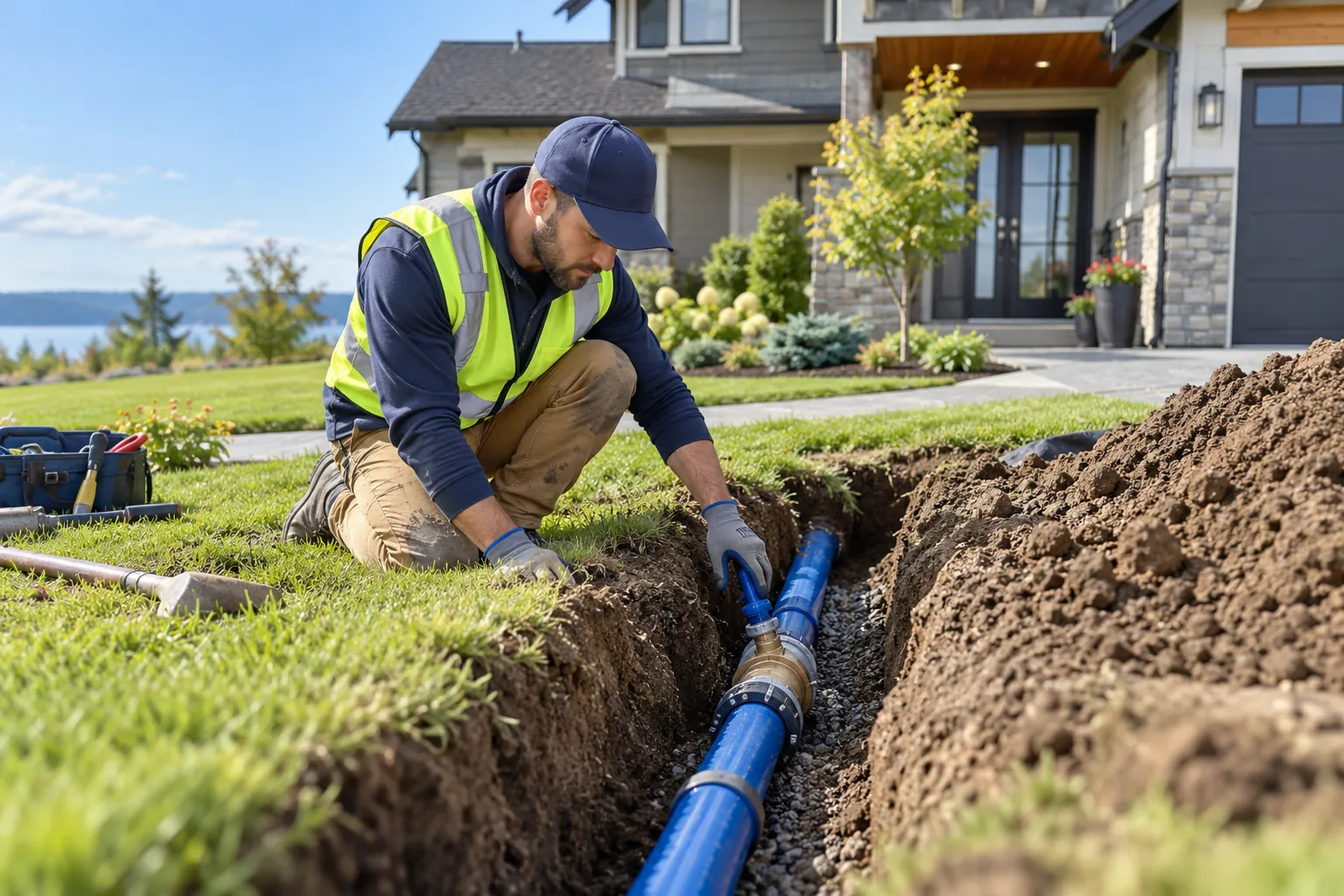
Water Line Repair and Replacement for Your Property
Your water service line carries water from the main supply to your home or building. A leak, pressure change, or discolored water can interrupt daily routines and may need professional assessment. Quick Fix Plumbers 24/7 is a referral and dispatch service connecting customers with independent plumbing professionals where available. For water line repair and replacement, call with your ZIP code and describe the symptoms so we can check whether a local professional is available.
A professional can inspect the line, explain whether a targeted repair or a larger replacement may suit the condition, and discuss options for your property. Water line projects can include leak repair, replacement, new installation for an addition, or an appropriately sized upgrade. The right approach depends on pipe material, age, access, damage, local requirements, and the location of the affected section.
When to Arrange Water Line Repair and Replacement
Some service-line problems are visible, while others show up as gradual changes around the property. A wet patch in the yard, unexplained water use, recurring loss of pressure, or water discoloration can be reasons to request an inspection. These clues do not confirm the cause by themselves; a professional can check the line and explain what the findings mean.
A water service line connects the public water main to a home or building, but the exact ownership and repair responsibility boundary varies by utility and local rules. Before approving work, ask the water provider where its responsibility ends and whether a meter, curb stop, or public-side component may be involved. This can help route the request to the right party and avoid assuming that every part of the line is private property.
A professional assessment may include reviewing the symptoms, locating accessible shutoffs and connections, checking pressure, and determining whether specialized leak-location methods are appropriate. The inspection method depends on the pipe material, route, depth, site conditions, and whether the suspected leak is on the service line or inside the building. Ask the professional to explain what was inspected and what evidence supports the recommended work.
If a pipe is actively leaking, locate the main shutoff valve and turn off the water if it is safe and practical. Keep people away from saturated ground or areas where water may contact electrical equipment. If the problem appears to involve the public water main or meter, contact the water utility as well as requesting plumbing help.
Repair or replacement: what affects the decision?
A limited, accessible defect may be repairable. Repeated leaks, extensive corrosion, aging materials, or multiple damaged sections may lead a professional to discuss replacement. The inspection should explain the affected area, the proposed work, material options, access needs, permits, restoration, and the estimate before work begins.
When comparing water line repair and replacement proposals, ask whether the price includes locating the line, excavation or an available trenchless approach, fittings, pressure or leak checks, backfill, and restoration of affected landscaping or hardscape. Also ask who will obtain permits, what access is needed, how long water may be shut off, and whether the estimate could change if hidden damage is found. Written scope and pricing make it easier to compare options fairly.
For older properties, confirm the service-line material with your water utility or a qualified professional. The U.S. EPA’s Protect Your Tap guide offers steps to help identify possible lead service lines and explains how to arrange water testing. The CDC drinking-water guidance also explains potential lead exposure from plumbing. Appearance alone cannot confirm whether water contains lead; contact your water utility about testing and local service-line records.
Ask whether the proposal covers excavation or trenchless methods, connection to the existing plumbing, testing, backfill, and cleanup. Method availability depends on the site, pipe condition, local codes, and contractor capability. Water line repair and replacement plans should be tailored to the specific property rather than based on a one-size-fits-all recommendation.
Water Line Repair and Replacement for Common Pipe Problems
Call to discuss water main concerns at your home or property. Water line repair and replacement options depend on where the damage is, the pipe material, and the condition of the surrounding line.
Our Water Line Repair and Replacement Process
Learn how water line repair and replacement requests are assessed, inspected, and matched with available local professionals.
Problem Assessment
Describe your water line issues. We’ll connect you with a specialist in main line work.
Line Inspection
The professional checks the affected line and may use suitable leak-location or pressure-testing methods; the approach depends on pipe type and site conditions.
Repair vs. Replace
You’ll receive advice on whether repair or replacement may be the better option for your situation.
Professional Installation
Work is completed with permitting and inspection as required for your area.
Water Line Repair and Replacement FAQs
Questions about a water main leak, replacement, or new installation? Call to discuss your property.
Call +1 (619) 714-2525 →How do I know if my water line needs replacement?
Possible signs include recurring leaks, rusty or discolored water, significant pressure drops, visible corrosion, or older galvanized pipes. A plumbing professional can assess the water line and discuss appropriate options.
How long does water line replacement take?
Many residential water line replacements can take 1–2 days, depending on the length of the line and ground conditions. Ask the professional for an estimate based on your property.
Will my yard be dug up during water line replacement?
Traditional replacement requires trenching, while some situations may allow trenchless methods that minimize yard disruption. A professional can advise which options may work for your property.
Do water line repairs require permits?
Water line replacement often requires permits and inspections, though requirements vary by area and project. Confirm local requirements with the plumbing professional; licensed professionals can handle the permitting process where applicable.
What should I do if my water service line may contain lead?
Contact your water utility to ask about service-line records and testing options, and discuss the pipe material with a qualified plumbing professional. The U.S. EPA explains how lead can enter drinking water and provides guidance on identifying lead service lines in its Lead in Drinking Water resource.
Need Water Line Repair or Replacement?
Call Quick Fix Plumbers 24/7 to discuss water line repair and replacement for your property and check whether a local plumbing professional is available.
Call +1 (619) 714-252524/7 call answering · Ask about local availability